
Are Dental Bridges a Permanent Solution for Missing Teeth?
Missing teeth can affect more than just your smile; they can impact your ability to chew, speak, and feel confident. For many people, a dental bridge offers a practical and lasting way to restore their smile. But are dental bridges truly permanent? At College Street Smiles in Dickson, Tennessee, we help patients understand the full picture before choosing any treatment. Here’s what you should know about how dental bridges work, their longevity, and how to make them last.
What Are Dental Bridges and How Do They Work?
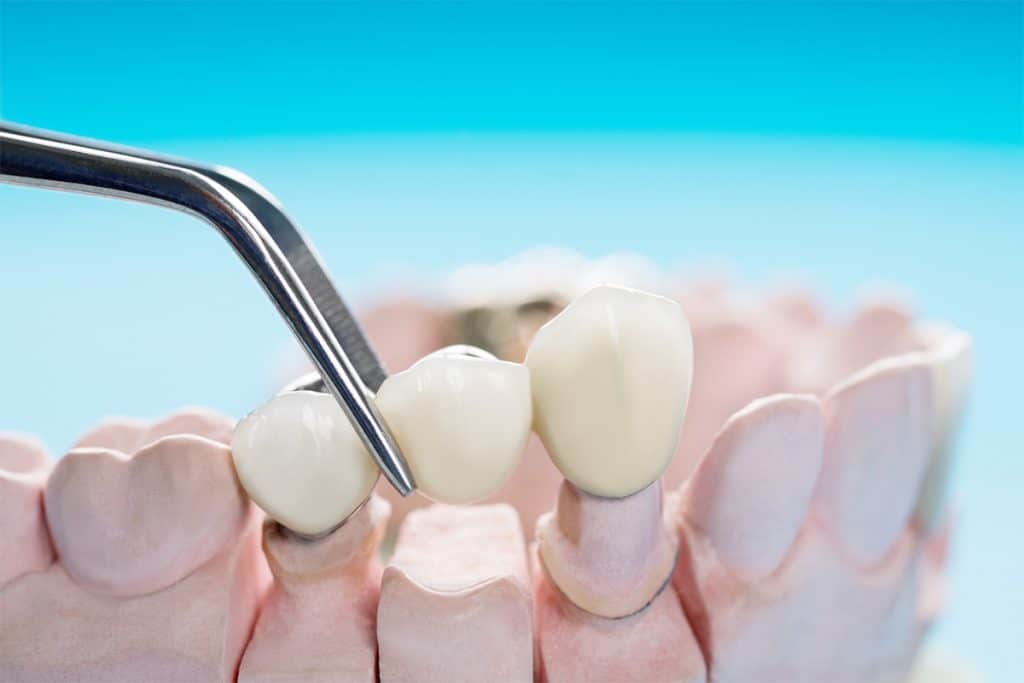
A dental bridge is designed to “bridge” the gap left by one or more missing teeth. It consists of two key parts: the abutments and the pontic. The abutments serve as the support system, either anchored to natural teeth or dental implants. The pontic is the artificial tooth that replaces the missing one, seamlessly filling the gap for a complete and natural-looking smile.
Bridges not only restore your appearance but also prevent neighboring teeth from shifting out of alignment. Without a replacement, missing teeth can cause bite problems, jaw discomfort, and even bone loss over time. By filling in the gaps, dental bridges support the balance and health of your entire mouth.
The Main Types of Dental Bridges
There isn’t just one kind of dental bridge. Your dentist will recommend the type that best fits your needs and oral health. At College Street Smiles, patients in Dickson, TN have several options to choose from:
- Traditional Dental Bridge: This is the most common type. It uses crowns on the teeth adjacent to the missing space to support one or more pontics in between. The crowns are permanently cemented, creating a strong and natural-looking result that blends well with your existing teeth.
- Cantilever Bridge: A cantilever bridge is similar in design to a traditional one, but it is anchored on only one side instead of both. This option can be helpful in specific cases but may put extra pressure on the supporting tooth, making it less durable over time.
- Implant Supported Bridge: For patients missing multiple teeth in a row, implant supported bridges offer exceptional strength and stability. Instead of relying on neighboring teeth, this design uses dental implants as the foundation. The result is a restoration that feels and functions like natural teeth and helps preserve the jawbone.
- Maryland Bridge: A Maryland bridge uses a metal or porcelain framework bonded to the back of the adjacent teeth. This option avoids the need for crowns and preserves more of your natural tooth structure, though it may not be as strong as other types of bridges.
How Long Do Dental Bridges Last?
While dental bridges are not considered “permanent” in the same way as natural teeth, they are a long-lasting solution. On average, a well-maintained dental bridge can last between 10 to 15 years or longer. Factors like oral hygiene, diet, and regular dental visits play a major role in how long your restoration will remain secure and functional.
The materials used in your bridge also influence its lifespan. Porcelain and ceramic bridges offer excellent aesthetics and durability, while metal or porcelain-fused-to-metal bridges provide added strength. Your dentist will help you choose the right option based on your needs and preferences.
How to Make Your Dental Bridge Last Longer
Proper care is essential for maintaining both your dental bridge and the health of your surrounding teeth and gums. Here are a few practical ways to extend its lifespan:
- Brush and floss daily, especially around the bridge area, to remove food debris and plaque.
- Use a floss threader or water flosser to clean under the bridge where traditional floss can’t reach.
- Visit your dentist regularly for professional cleanings and checkups.
- Avoid chewing on very hard foods or using your teeth as tools to open packages.
- Maintain a balanced diet to support gum health and overall oral strength.
With proper care, your dental bridge can provide many years of comfortable and confident use.
Are Dental Bridges Right for You?
Every patient’s situation is unique. Some people may benefit more from dental implants, while others prefer the simplicity and affordability of dental bridges. During your consultation at College Street Smiles, we’ll evaluate your oral health, discuss your goals, and determine whether a bridge is the best fit for your smile restoration needs.
Our team combines advanced dental technology with personalized care, ensuring that every treatment is comfortable, natural-looking, and long-lasting. Whether you’ve lost one tooth or several, we’ll guide you through your options for restoring both function and confidence.
Smile Restoration That Lasts
While dental bridges aren’t technically permanent, they can last for many years with the right care and attention. At College Street Smiles, we’ve helped countless patients in Dickson rediscover their smiles through high-quality restorative treatments. If you’re ready to learn more about whether a bridge is right for you, call 615-446-7878 or contact us today.
Frequently Asked Questions About Dental Bridges
How long does it take to get a dental bridge?
Typically, the process takes two appointments. The first involves preparing the abutment teeth and taking impressions, while the second visit is used to place and adjust your custom bridge for a perfect fit.
Can I eat normally with a dental bridge?
Yes, once your bridge is properly fitted and you’ve adjusted to it, you can enjoy most foods comfortably. However, it’s best to avoid overly sticky or hard foods that could damage the restoration.
At College Street Smiles, we take pride in helping our Dickson, Tennessee patients achieve healthy, confident smiles through personalized, high-quality care. Whether you need a bridge, crown, or complete restoration, our experienced dental team is here to guide you every step of the way. Contact us today to learn more and schedule an appointment.